Water Treatment Scheduling Strategies
Effective water treatment scheduling depends on various factors including water quality, usage patterns, and seasonal changes. Proper timing ensures optimal performance, reduces operational costs, and extends equipment lifespan. Understanding when to perform treatments can prevent issues such as scale buildup, corrosion, and microbial growth.
Water quality varies throughout the year, often requiring adjustments in treatment schedules to address fluctuations in mineral content and contamination levels.
Regular water treatments are most effective when aligned with maintenance cycles, typically during low-demand periods to minimize disruption.
Performing water treatments before high-usage seasons helps prevent scaling and microbial issues during peak demand.
Consistent testing of water parameters guides the timing of treatments, ensuring interventions occur when most needed.
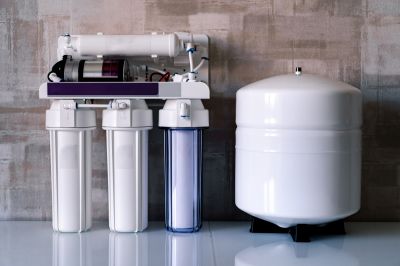
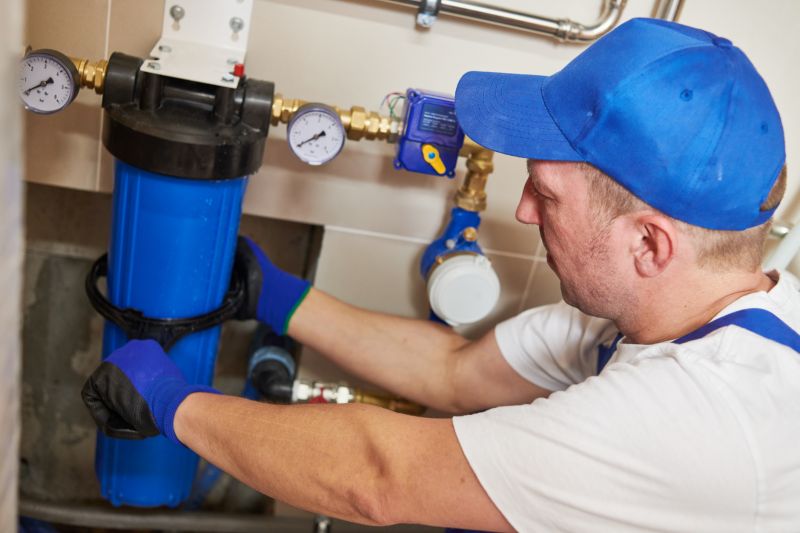
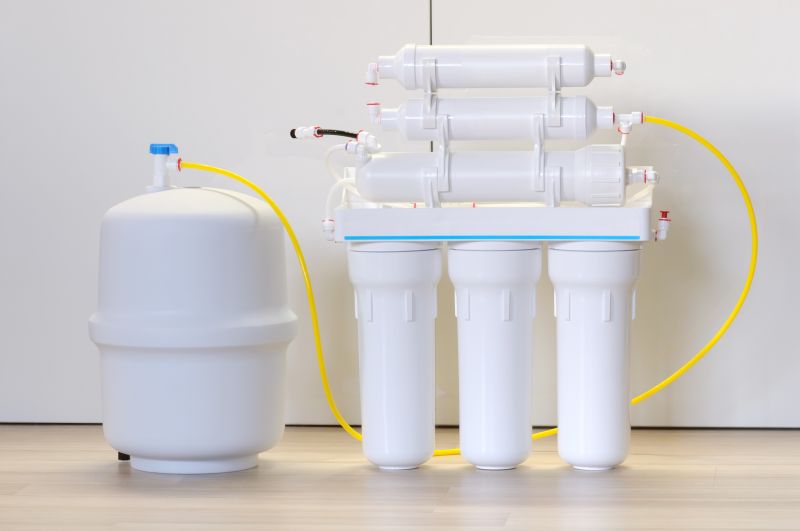
Water treatment systems installed in residential and commercial settings improve water quality and system longevity.
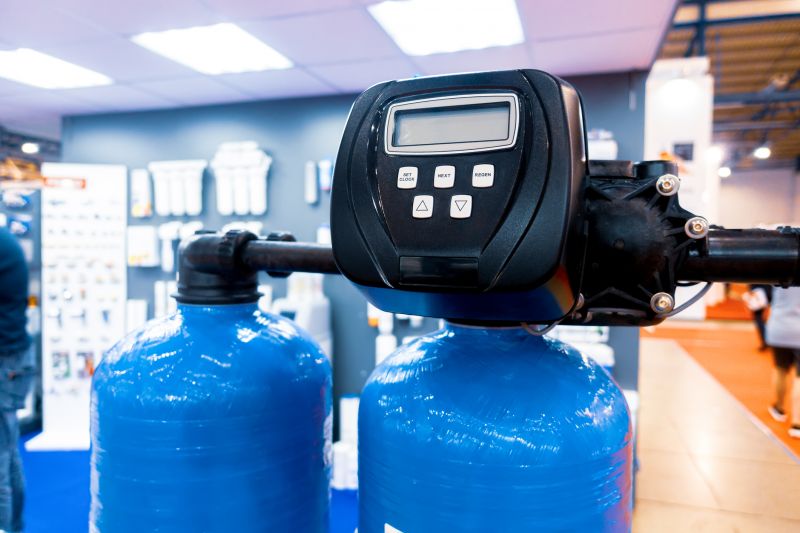
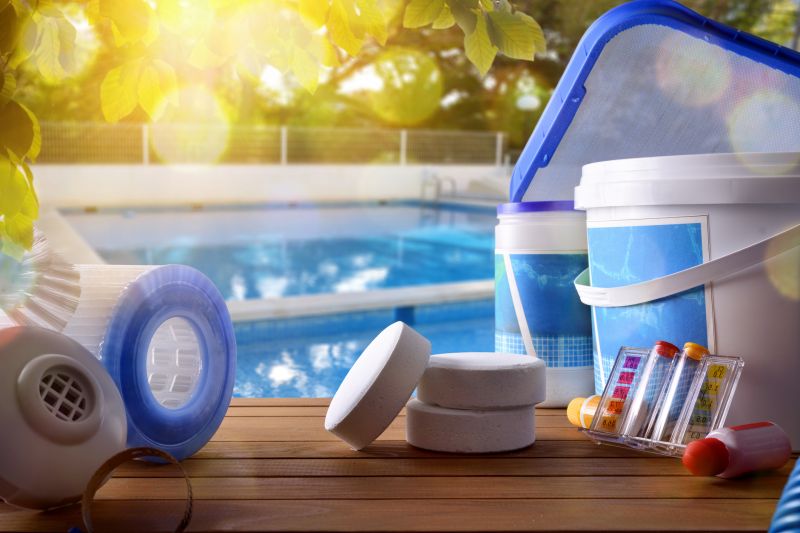
Chemical dosing is a common method used during scheduled water treatment to control scale and microbial growth.
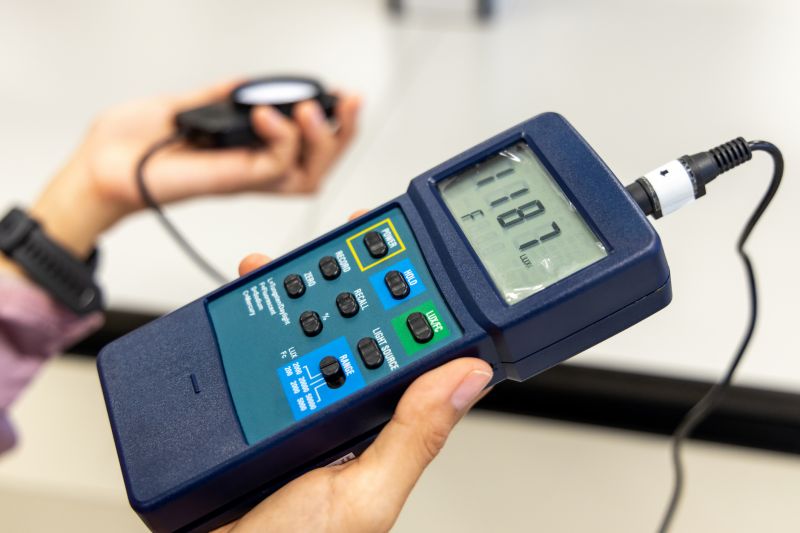
Accurate testing devices help determine the optimal timing for water treatments based on water chemistry.
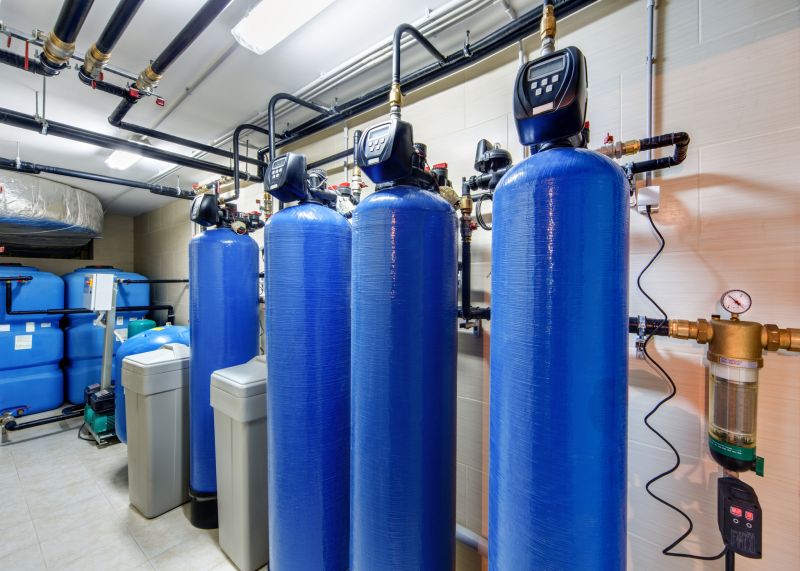
Ways to make Water Treatments work in tight or awkward layouts.

Popular materials for Water Treatments and why they hold up over time.
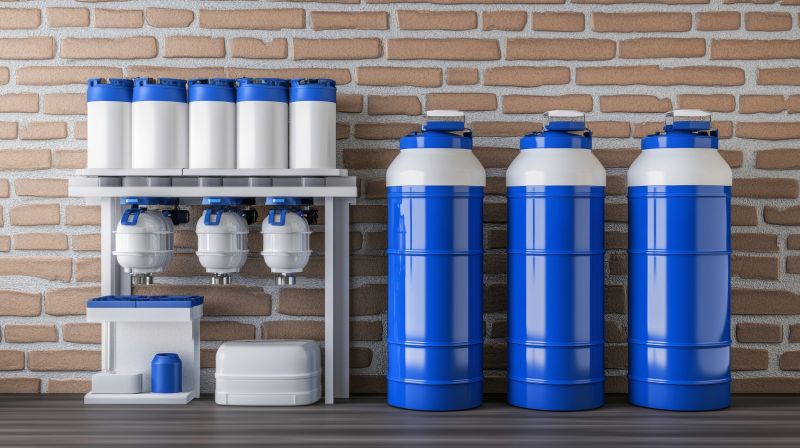
Simple add-ons that improve Water Treatments without blowing the budget.
| Timing Factor | Recommended Treatment Period |
|---|---|
| Seasonal Changes | Spring and Fall |
| Pre-High Usage Season | Before peak demand periods |
| Water Quality Fluctuations | Whenever testing indicates a need |
| Temperature Shifts | During temperature transition periods |
| System Maintenance | Aligned with scheduled maintenance |
Water treatments are crucial for maintaining water quality, preventing damage to plumbing and equipment, and ensuring safety for users. Proper timing maximizes treatment effectiveness and minimizes operational costs. Regular monitoring and understanding seasonal patterns help determine the best times for intervention.
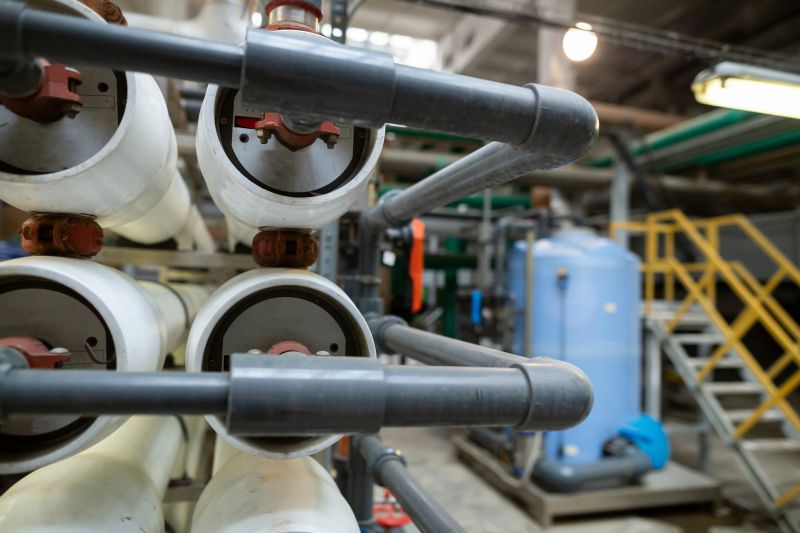
A detailed view of the equipment used in water treatment processes.
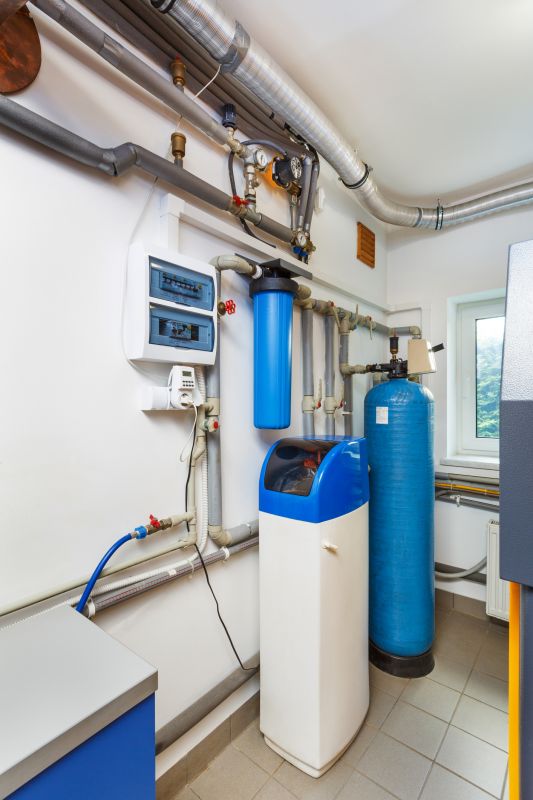
Precision dosing equipment for effective water treatment.
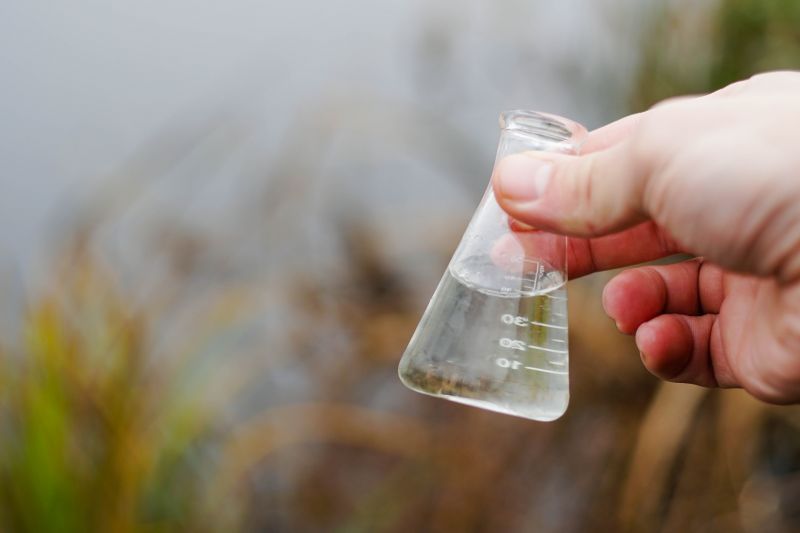
Devices used to analyze water chemistry for treatment decisions.
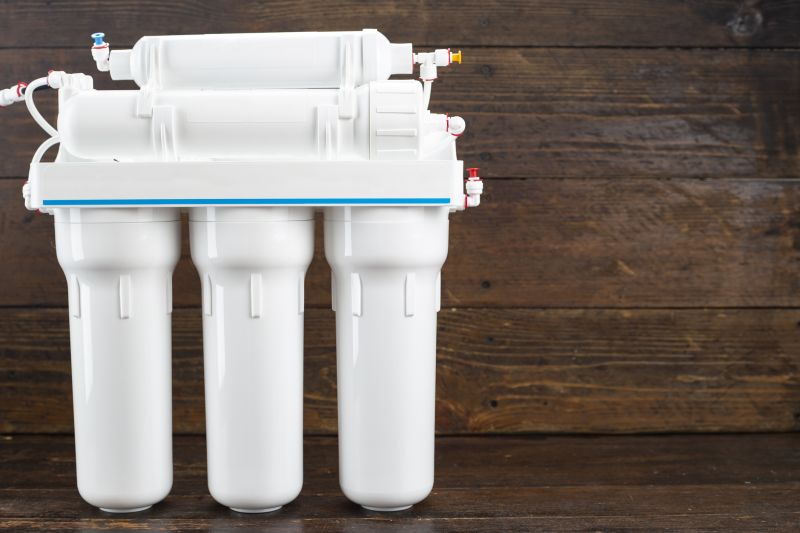
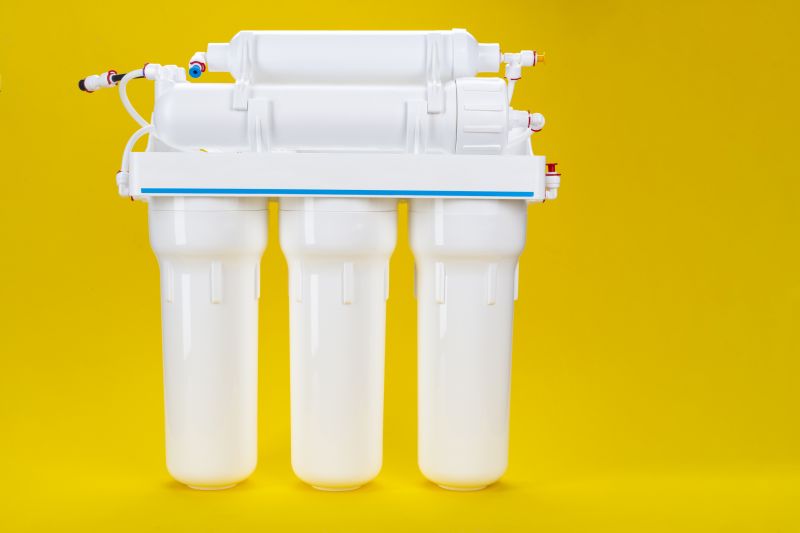
Advanced filtration systems ensuring clean water supply.
High-end options that actually feel worth it for Water Treatments.
Finishes and colors that play nicely with Water Treatments.

Little measurements that prevent headaches on Water Treatments day.
A 60-second routine that keeps Water Treatments looking new.
A frequent mistake in Water Treatments and how to dodge it.
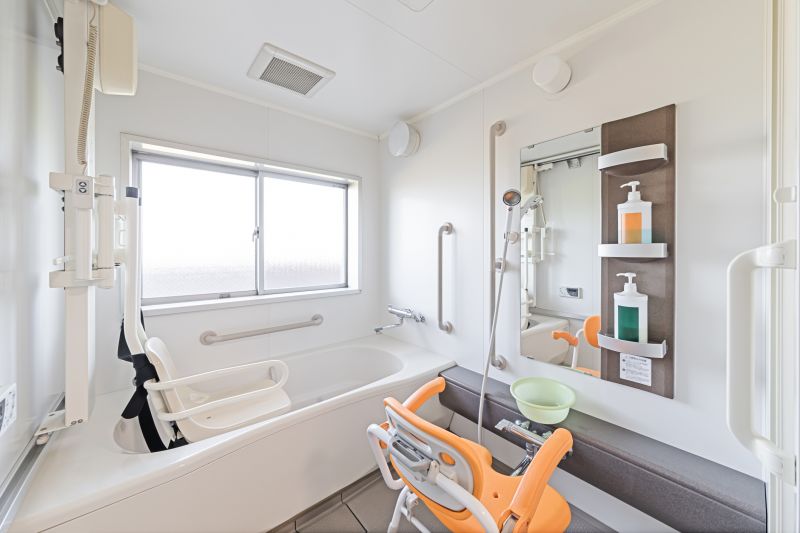
Small tweaks to make Water Treatments safer and easier to use.
Scheduling water treatments at appropriate times is essential for optimal water system performance. By considering seasonal factors, water quality data, and operational needs, property managers and homeowners can ensure water remains safe and efficient.